
A lot of the original floors in Cambridge and Somerville triple-deckers, and in older homes across Greater Boston, aren’t oak at all. They are Douglas fir or yellow pine: warm, orange-to-honey colored softwoods that were common, affordable flooring around the turn of the last century. They can look beautiful refinished, but they don’t behave like oak. This guide covers what to expect, what to decide, and what to tell us when you request a quote.
Prefer to talk it through? Call (857) 837-1234.
Quick answer: can old fir and pine floors be refinished?
Usually, yes. Most original fir and pine floors that are still solid and have enough wood left above the tongue can be sanded and refinished. The differences from oak are that softwood sands faster and dents more easily, it takes stain unevenly, and old boards often have gaps, face nails and past patches. A gentler sanding approach, a clear or carefully tested finish, and realistic expectations about character marks are what make these floors look their best.
How to tell whether you have fir, pine or oak
In many triple-deckers you will find oak in the front parlor and dining room and fir or pine in the kitchen, back bedrooms, halls and upper units. A few quick clues:
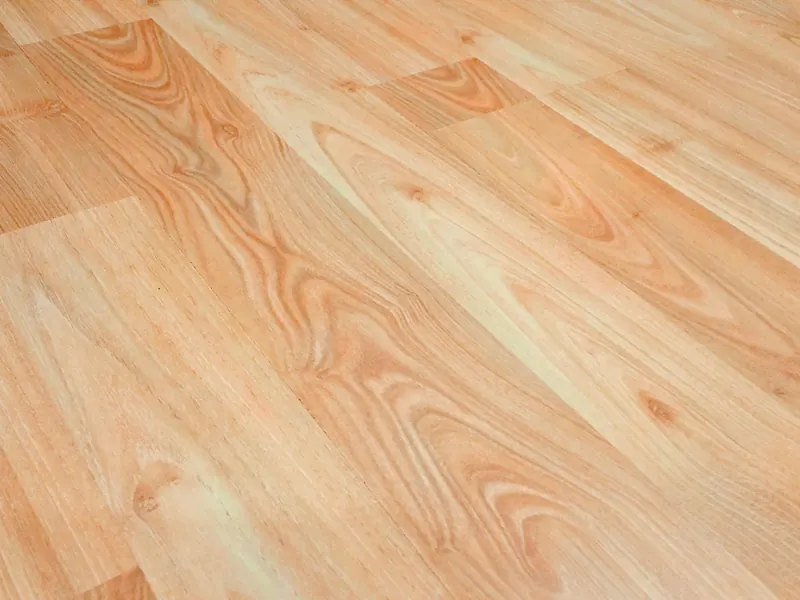
- Color. Aged Douglas fir tends toward orange, red-amber or salmon. Old pine is more yellow to deep amber. Oak is usually tan to brown with a more muted tone.
- Grain. Fir often shows long, tight straight lines (especially vertical-grain fir) or bold flame-like patterns on flat-sawn boards. Oak has visible open pores and, in white oak, flecks across the grain.
- Hardness. Press a fingernail into an out-of-the-way spot. If it leaves a mark easily, it is probably a softwood. Douglas fir is roughly half as hard as red oak on the Janka hardness scale, and eastern white pine is softer still.
- Board width. Fir and yellow pine strip floors are often a bit wider than typical 2¼-inch oak strip. Wide, face-nailed boards are often pine, found in the oldest houses.
Not sure? A close-up photo of the grain in a clean spot, next to a coin for scale, is usually enough to tell.
Why fir and pine need a different sanding approach
Softwood has soft spring growth (earlywood) and harder summer growth (latewood) in every ring. Aggressive sanding wears the soft rings faster than the hard ones, which can leave a rippled, washboard surface, and coarse abrasive can leave visible scratches that show once finish goes on. The usual approach on old fir and pine is to remove only as much wood as needed, step through the grits carefully, and keep the sander moving evenly.
- Face nails. Many older softwood floors are face-nailed, or have nails added over the years to stop squeaks. Nail heads need to be set below the surface before sanding.
- Cupped boards. Boards that curl up at the edges (often from past moisture) are flattened as part of sanding, but the cause should be fixed first.
- Old patches. Where a wall, chimney or radiator came out, boards are often patched with a different wood. Those patches will look different after sanding, even under the same finish.
- Painted borders. Older homes sometimes have a painted band around the edge of the room from when the center was covered by a rug. In houses built before 1978, old paint may contain lead, so mention painted areas on your quote request so they can be planned for properly.
How much wood is left?
Old floors have often been sanded more than once. Most strip floors are tongue-and-groove, and sanding stops being an option once the wood above the tongue gets too thin. You can sometimes see the board thickness by lifting a floor register or looking at the edge of a board at a threshold or stair. If the floors have been sanded several times, a lighter approach or a screen & recoat may be the safer choice. Photos of a board edge help here.
Stain on fir and pine: test first
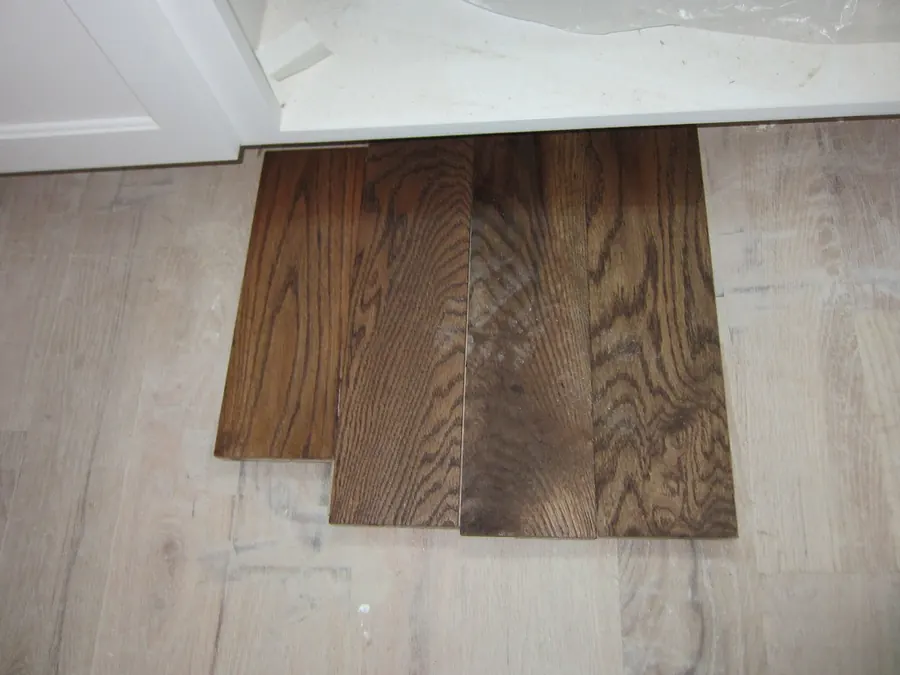
Softwoods are known for blotching. Stain soaks into soft earlywood and sits on top of harder latewood, which can give a striped or patchy look, especially with darker colors. That doesn’t mean fir and pine can’t be stained, but it does mean:
- Test samples on your actual floor, in a closet or under where a rug will go, before committing to a color.
- Lighter and warmer tones generally look more even than very dark or gray stains on fir.
- Conditioners and other techniques can reduce blotching but don’t eliminate it.
- Clear finish is the most common choice. Fir and pine have a natural warm color that deepens with age, and many owners decide the original tone is the point.
Choosing a finish for softwood floors
The finish changes the color more than many people expect on fir and pine:
- Oil-modified polyurethane adds an amber tone that makes fir richer and more orange over time, and pine more golden.
- Water-based polyurethane keeps the wood closer to its freshly sanded color and dries faster with less odor.
- Sheen matters on softwood. Satin and matte finishes hide the small dents that fir and pine pick up much better than gloss does.
Neither finish makes softwood dent-proof. The finish protects the surface, but a dropped pan or a chair leg can still dent the wood beneath it. Most owners of old fir floors come to see those marks as part of the character of the house.
Gaps between boards
Old softwood floors often have gaps between boards, and they usually get wider in winter when heat dries out the air and narrower in humid summers. Filling every seasonal gap with filler rarely works for long because the filler cracks out as the boards move. Larger, permanent gaps can be filled with thin slivers of wood glued in, and very wide gaps in old wide-board floors are sometimes filled with other traditional methods. Running a humidifier in winter helps keep gaps smaller; the guide to gaps between floorboards covers which gaps are seasonal and which deserve a closer look. If gaps bother you, point them out on your quote request so the scope is clear.
Fir under old linoleum or carpet
Many Cambridge and Somerville kitchens and back rooms have fir or pine hidden under linoleum, vinyl, carpet or a later floating floor. Some of those floors were originally intended to be covered, so they may have more gaps, stains or patched areas than the main rooms. One important caution: older sheet flooring, tiles and black adhesive can contain asbestos. If you are not sure what an old floor covering or its glue is made of, have it tested before it is pulled up, scraped or sanded.
Planning a fir or pine refinish in a triple-decker
Most fir and pine floors around here are in multi-family houses, so the same logistics as other projects apply. Many triple-decker units are refinished between tenants, so include your move-out and move-in dates. Equipment comes up shared stairs, noise carries to the units below, and parking can be tight. The Cambridge and Somerville pages cover local logistics in more detail, and the process & timeline page explains what each day of a refinish looks like.
If the stairs are fir or pine too, see stair refinishing. Softwood treads wear quickly at the front edge, and planning them with the floors keeps the color consistent.
Keeping refinished fir and pine looking good
- Felt pads under chair and table legs, and replace them when they wear
- Rugs at entries and in front of the kitchen sink and stove
- Keep pet nails trimmed
- Clean with a cleaner made for the finish; skip steam mops, wax and oil soaps
- Consider a maintenance screen & recoat before the finish wears through, which avoids sanding away more of an old floor
What to send for a quote
Use the quote form. In the notes, mention that the floors are fir or pine (or that you think they might be), the rooms involved, any painted areas or old coverings to remove, and your timing. After you submit, reply to our email with photos: a wide shot of each room, a close-up of the grain, and if possible a board edge at a register or threshold.
Related guides and areas
More on full hardwood refinishing, floor sanding, and common questions on the FAQ page. Fir and pine floors are especially common in Cambridge, Somerville and the triple-decker neighborhoods of Boston, and they also turn up in older homes in Brookline, Newton, Waltham, Quincy and Framingham.
Frequently asked questions
Can Douglas fir floors be refinished?
Yes, in most cases. Fir sands faster and dents more easily than oak, so it needs a gentler sanding approach. Boards that are very thin from past sanding, rotted or badly cupped may need repair or replacement first.
Can you stain fir or pine floors?
You can, but softwood takes stain unevenly and can blotch, especially with dark colors. Always test samples on the actual floor first. Many owners choose a clear finish to keep the natural warm tone.
Will refinishing remove dents from a fir floor?
Sanding removes surface scratches and shallow marks. Deeper dents may soften but not disappear without sanding away too much wood. Some character marks are normal on old softwood.
Should I use oil-based or water-based finish on fir?
Oil-modified finishes deepen fir’s orange-amber color; water-based finishes keep it closer to its sanded color and dry faster with less odor. Satin or matte sheens hide dents best on softwood.
Is it worth refinishing the fir floors in my triple-decker unit?
Usually, yes, if the boards are solid and have enough thickness left. Refinished original floors are one of the most visible upgrades for a sale or a new tenant. If the finish is only dull, a recoat may be enough.
Photos are licensed stock and Creative Commons images used as examples. Photo credits